






London, 17 February 2026: The number of women in self-employment in the last quarter of 2025 was the highest recorded since mid-2020, according to figures published today.
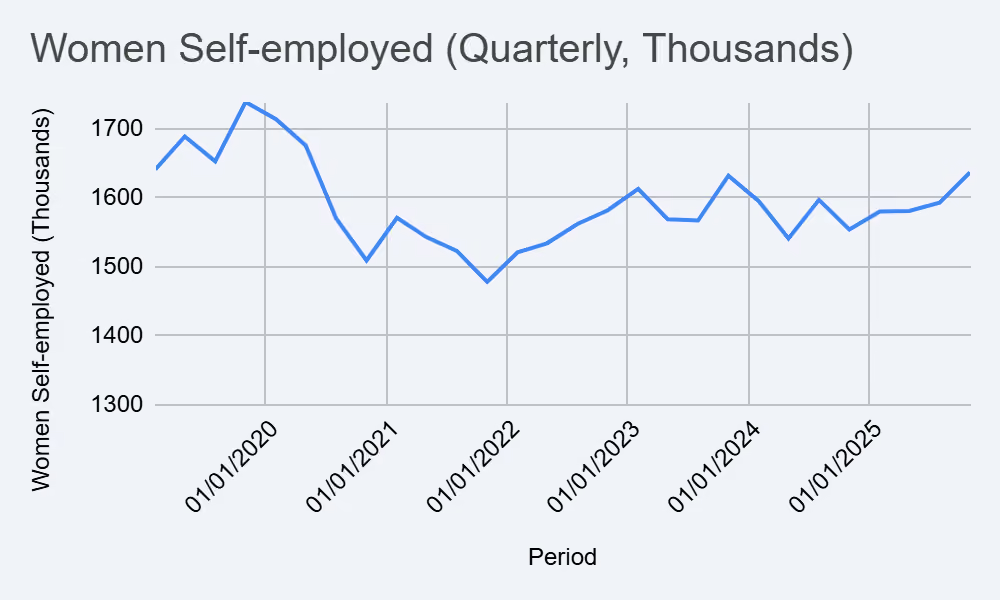
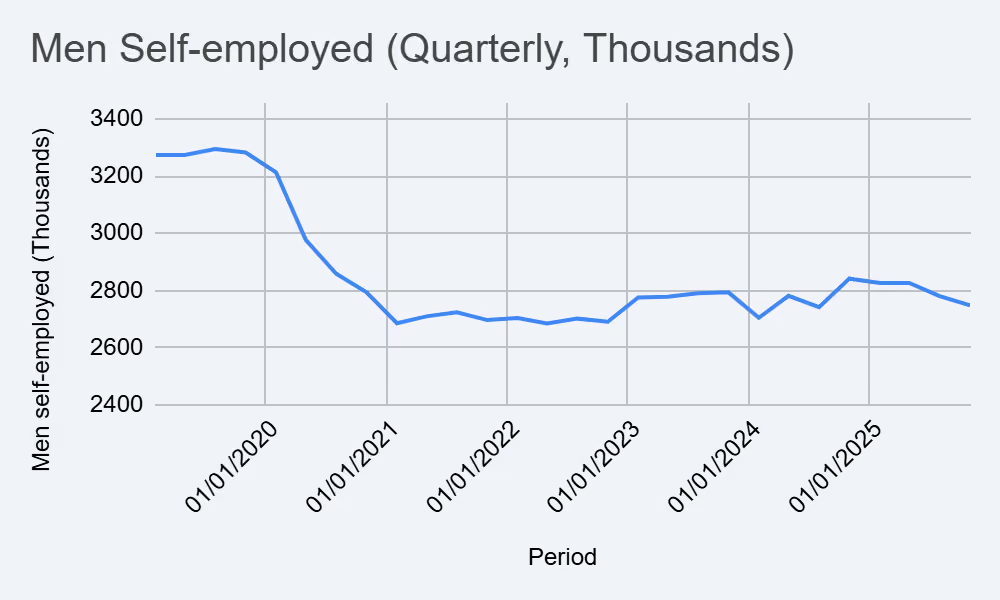
The Office for National Statistics (ONS) quarterly employment data shows a general rise in the number of women turning to self-employment in the last four years since the end of 2021, while the number of men in self-employment has remained comparatively consistently down over the same period, although more men overall are self-employed.
In the final quarter of 2025, there were 1.637 million self-employed women, up from 1.478 million in late 2021 and the highest since the second quarter of 2020 (1.676 million). There were 2.748 million self-employed men by the end of 2025, up from 2.684 million in early 2022, but relatively stable since then.
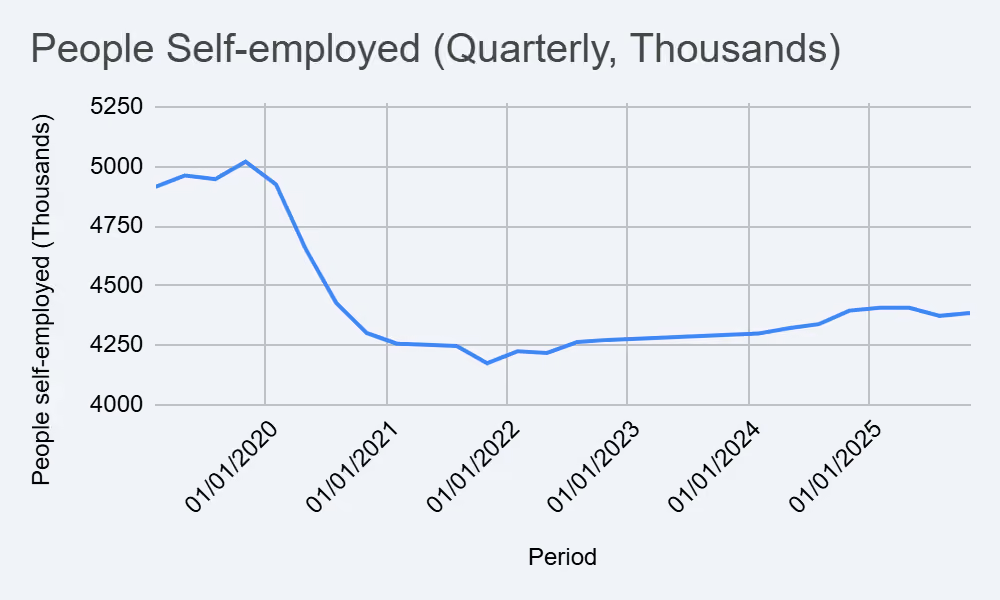
Amid a general rise in unemployment and a steadying of overall numbers of self-employed people from a peak right before the pandemic among both men and women, the figures suggest that more women may be turning to self-employment under economic pressure.
Becky O’Connor, Head of Pensions at PensionBee, said: “Women often turn to self-employment to fit work around caring responsibilities, as hours can be more flexible. This is sometimes a necessary and valuable adaptation, however it can also result in lower pension savings and the loss of long term financial stability.
“Self-employed people do not benefit from pension auto-enrolment. Anyone who takes a decision to become self-employed, whether through choice or necessity, may want to consider how to protect themselves from the loss of employee benefits such as pensions and whether they can continue to support their long term financial wellbeing.”
PensionBee, the leading online pension provider, has been campaigning to highlight the impact of short term financial insecurity on the ability to save for the long term, including through pensions, that can affect the low paid self employed working in the freelance and gig worker economies, known as invisible workers.
PensionBee’s own research has found a knowledge gap among the self-employed who do not have any pension savings, when it comes to awareness of the tax relief benefits of making contributions.
At the same time, many cite irregular income as the biggest barrier to saving, pointing to a structural mismatch between how pensions are designed and how self employed earnings fluctuate. As more women move into self employment, failing to address these gaps risks embedding long term retirement inequality.
Graph 1: Women in self-employment
Source: ONS, 17.02.2026
Graph 2: Men in self-employment
Source: ONS, 17.02.2026
Graph 3: All self-employed
Source: ONS, 17.02.2026
.webp)










%201.png)