








At 55 (rising to 57 from 2028), you can finally access your pension after years of saving.
You can even take some of it tax-free - but it might be worth waiting before you do.
If you have a defined contribution pension, you can take up to 25% of your savings as a tax-free lump sum, capped at £268,275 (2026/27).
The median pension pot of adults in the UK between age 55 and 64 is £137,800. On average, that means £34,450 could be taken tax-free.
There are plenty of reasons to. You might want to:
- pay off debts;
- future-proof your home; or
- cover the costs of downsizing.
But there are also some good reasons to pause before you withdraw. They might get you thinking about how much you really need to take, and when.
Here are four things to consider.
{{main-cta}}
1. You’ll lose out on tax-free growth
Simply because you can take your tax-free lump sum doesn’t mean you should. If you don’t have a clear plan for the money, it may be better to leave it where it is.
That’s because your pension savings are usually invested. As a result, the growth you can achieve is likely to be higher than what you’d get from a cash savings account.
Past performance is no guarantee of future returns. But historically, invested money has outpaced cash savings. So, keeping your money invested in your pension pot could deliver greater returns in the long run.
The growth on your pension is also tax-free, whereas cash savings interest is potentially taxable if it exceeds your Personal Savings Allowance. That excludes savings held in Individual Savings Accounts (ISAs), where any interest earned is tax-free.
You can take your tax-free lump sum at any point after you turn 55 (57 from 2028) - there’s no cut-off, so there’s no need to rush unless you already have a solid reason to withdraw it.
If you do have a plan for it, consider only taking what you need and leaving the rest to benefit from potential investment growth.
2. You could take more tax-free cash later
There are plenty of reasons to use your tax-free cash at 55 (57 from 2028). You might want to make home improvements, go on the holiday of a lifetime, or support children or grandchildren with their financial futures.
But it’s worth remembering that once the money leaves your pension, it loses its potential for future investment growth. That might’ve allowed you to take a larger tax-free sum later, too, as you could’ve taken 25% of that growth tax-free (up to £268,275 in 2026/27). So, it’s worth thinking carefully about timing.
For example, someone with a £200,000 pension at 55 could take £50,000 tax-free. But if they waited until 65 to make that withdrawal - and kept contributing in the meantime - their pension could be worth around £327,000 meaning they could take around £81,000* tax-free instead.
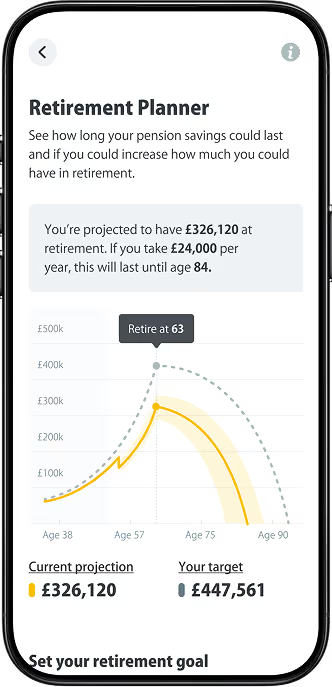
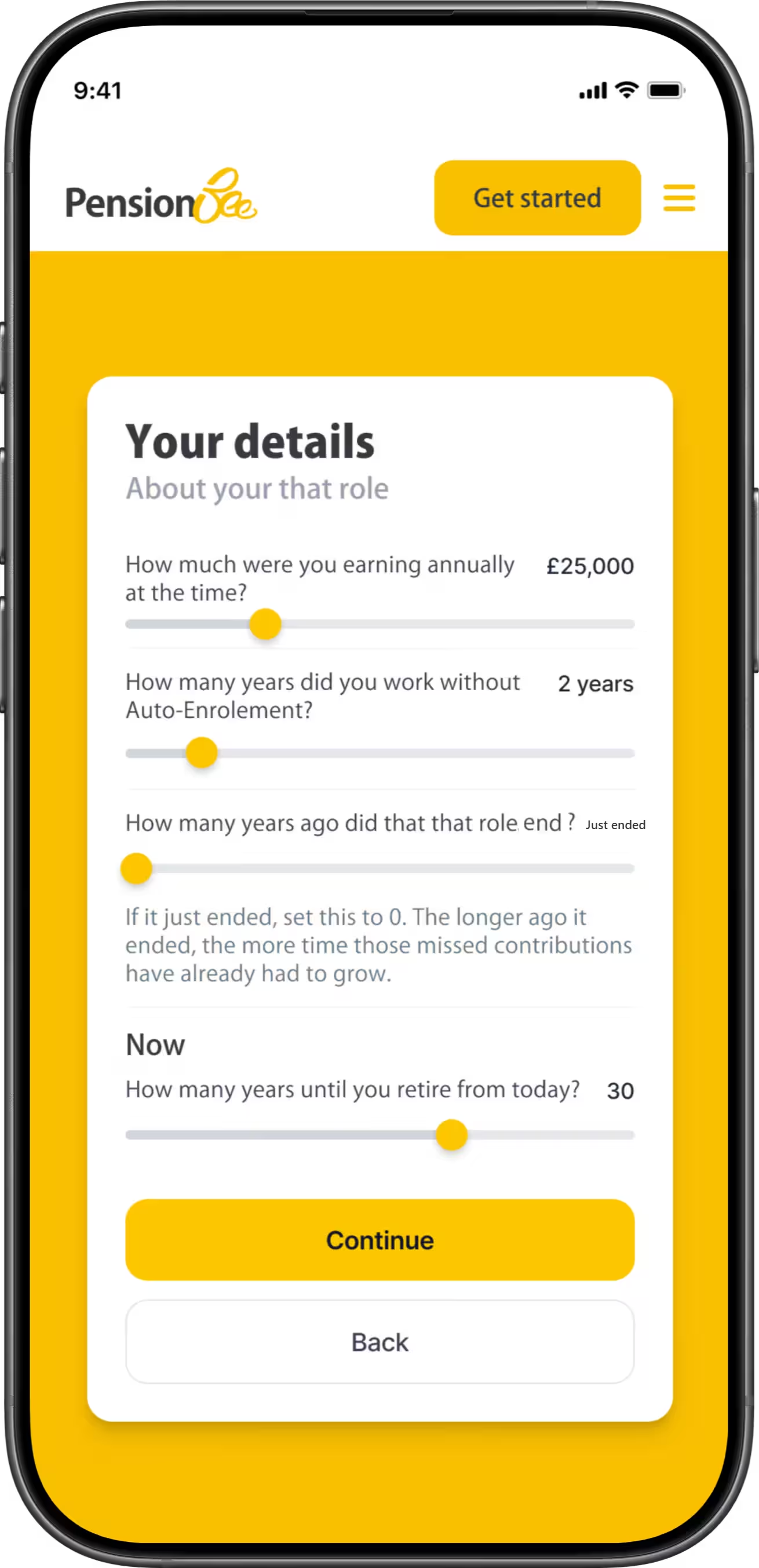
Try PensionBee’s Pension Calculator to see how adjusting your contributions or delaying your retirement age could affect your pot.
*Calculations assume personal monthly contributions of £350, employer monthly contributions of £250, 5% investment growth adjusted for 2.5% inflation and 0.7% in annual management fees.
3. You could use it for tax-free income instead
Many people assume that, because it’s called a ‘tax-free lump sum’, they must take it all out at once.
That isn’t the case. You could draw down up to 25% in several smaller amounts instead. For example, on a £200,000 pension, you could take £50,000 tax-free all at once. Or, you could draw £10,000 a year for five years, or £5,000 annually for 10 years, tax-free.
You can make multiple smaller withdrawals where each is 25% tax-free, too.
This can be tax-efficient. For example, you could boost your income while you’re paying a higher rate of Income Tax. Then, you might switch to taxable pension income once your overall tax rate has fallen.
Taking it in several smaller amounts also protects you from taking it all during a market slump. If markets are down when you access your pot, your pension balance could be temporarily lower. By taking your lump sum in pieces, your invested money might recover its value, increasing the size of your tax-free payments.
Use PensionBee’s Drawdown Calculator to see the impact of your pension withdrawals.
Type in the size of your pot and what you want to withdraw. The calculator will then show you:
- how much you’ll receive;
- the amount of tax you could face; and
- your total remaining pot.
Note that this is an estimate and results may differ depending on your circumstances. Check the Drawdown Calculator’s FAQs to see the assumptions used.
4. You could affect what you can pay into your pension in future
Taking your tax-free lump sum can affect what you can pay into your pension moving forwards.
Firstly, you can’t take your tax-free cash and pay it straight back into your pension. You might be tempted to do so to try and double up on tax relief - that’s the tax top up you can get on your contributions. However, HMRC has already thought of that.
That’s known as ‘recycling’ your pension money. If HMRC decides you’ve done it intentionally, you could face a tax charge of up to 70%.
Additionally, if you take your tax-free lump sum and start drawing a taxable income from your pension, you’ll trigger the money purchase annual allowance (MPAA). This cuts how much you can pay into a pension each year and still get tax relief, from the standard £60,000 down to £10,000 (2026/27).
That matters if you plan to keep contributing to your pension after accessing it. Taking your tax-free cash on its own - without withdrawing any taxable income - won't trigger the MPAA. But it's easy to trip this without realising if you draw taxable income alongside the tax-free lump sum.
If you think you might want to keep contributing, it's worth checking how you access your tax-free cash before you do it.
Final thoughts
Your tax-free lump sum could be one of the most valuable parts of your pension. It's worth taking the time to think about when you need it, how you take it, and what it might cost you in future growth and flexibility if you take it too soon.
Ruth Jackson-Kirby is a Financial Journalist passionate about making money matters clear and accessible. She’s written for The Mail on Sunday, MoneyWeek, The Sun, and Good Housekeeping, helping readers navigate pensions and personal finance with confidence. She believes everyone deserves financial security and is on a mission to cut through jargon and make finance relatable.
Risk warning
As always with investments, your capital is at risk. The value of your investment can go down as well as up, and you may get back less than you invest. This information should not be regarded as financial advice.
Please note that tax rules change regularly, and the actual tax benefits you receive will depend on your individual circumstances. If you’re not sure, please seek professional advice.
Period | Market Event | FTSE World TR GBP (%) | 4Plus Plan (%) |
|---|---|---|---|
4Plus Plan’s inception – 6 Sept 2013 | QE Tapering, China Interbank Crisis and its aftermath | -5.44 | -2.41 |
3 Oct 2014 – 15 May 2015 | Oil price drop, Eurozone deflation fears & Greek election outcome | -5.87 | -1.77 |
7 Jan 2016 – 14 Mar 2016 | China’s currency policy turmoil, collapse in oil prices and weak US activity | -7.26 | -1.54 |
15 June 2016 – 30 June 2016 | BREXIT referendum | -2.05 | -1.07 |