

Ever had that sinking feeling when an unexpected bill comes in through your letterbox and you hadn’t quite planned for it?
Or felt the pressure to spend when several birthdays and celebrations fall in the same month?
You’re not alone. Many people find that irregular or one-off costs are harder to manage than their usual weekly or monthly expenses. Without planning, these ‘lumpy’ expenses can cause strain and may sometimes lead to borrowing.
They’re predictable, yet still easy to forget about until the moment they’re due. A sinking fund is a simple way to deal with this.
Sinking funds explained
A sinking fund is a pot of money you set aside for a specific purpose.
It’s a way of giving your money a clear goal before it has a chance to disappear into everyday spending. Unlike an emergency fund, which is there for unexpected situations, a sinking fund is focused on one planned expense.
Here’s how it works in practice. Say your car insurance costs £600 a year. Instead of scrambling to find £600 in one go, you save £50 each month.
When renewal time comes around, the money’s already there waiting. There’s no need to juggle your budget, delay other plans, or rely on credit to cover the cost.
Breaking larger expenses into smaller monthly amounts can make saving feel more manageable.
What can you save for with a sinking fund?
One of the most useful things about sinking funds is how flexible they are.
They work best for expenses you know are coming, even if they’re still months away. Taking a bit of time to think ahead can help you spot the costs that tend to catch you out year after year.
Common examples include:
- Annual bills - leasehold service charges, home insurance, boiler servicing.
- Car costs - MOTs, servicing, tyres or repairs.
- Seasonal spending - Christmas, birthdays or childcare over the school holidays.
- Home expenses - redecorating, furniture or general maintenance.
- Special occasions - weddings, baby showers or milestone birthdays.
{{main-cta}}
How to set up your first sinking fund
Getting started with a sinking fund isn’t complicated. A few simple steps are often enough to put a plan in place and build confidence.
1. Pick your goal
The first step is deciding what you’re saving for.
Being specific makes planning much easier. Rather than a vague aim to ‘save more’, choose a clear goal like saving £500 for school holiday activities or £800 for house maintenance. Write down what the money’s for, how much you need, and roughly when you’ll need it.
2. Do the maths
Once you know your goal, you can work out how much to save each month.
The calculation is simple:
Total amount needed ÷ number of months = your monthly saving goal.
For example, if you need £1,000 for Christmas and have 10 months to save, that works out at £100 a month. If that feels like too much, you can lower the goal or give yourself more time. The aim is to choose an amount that fits comfortably within your budget.
3. Keep it separate
Keeping your sinking fund separate from everyday spending is important.
If the money sits in your current account, it’s much easier to spend it without meaning to. You could use a separate savings account, a money management app with saving pots, or even a different bank altogether.
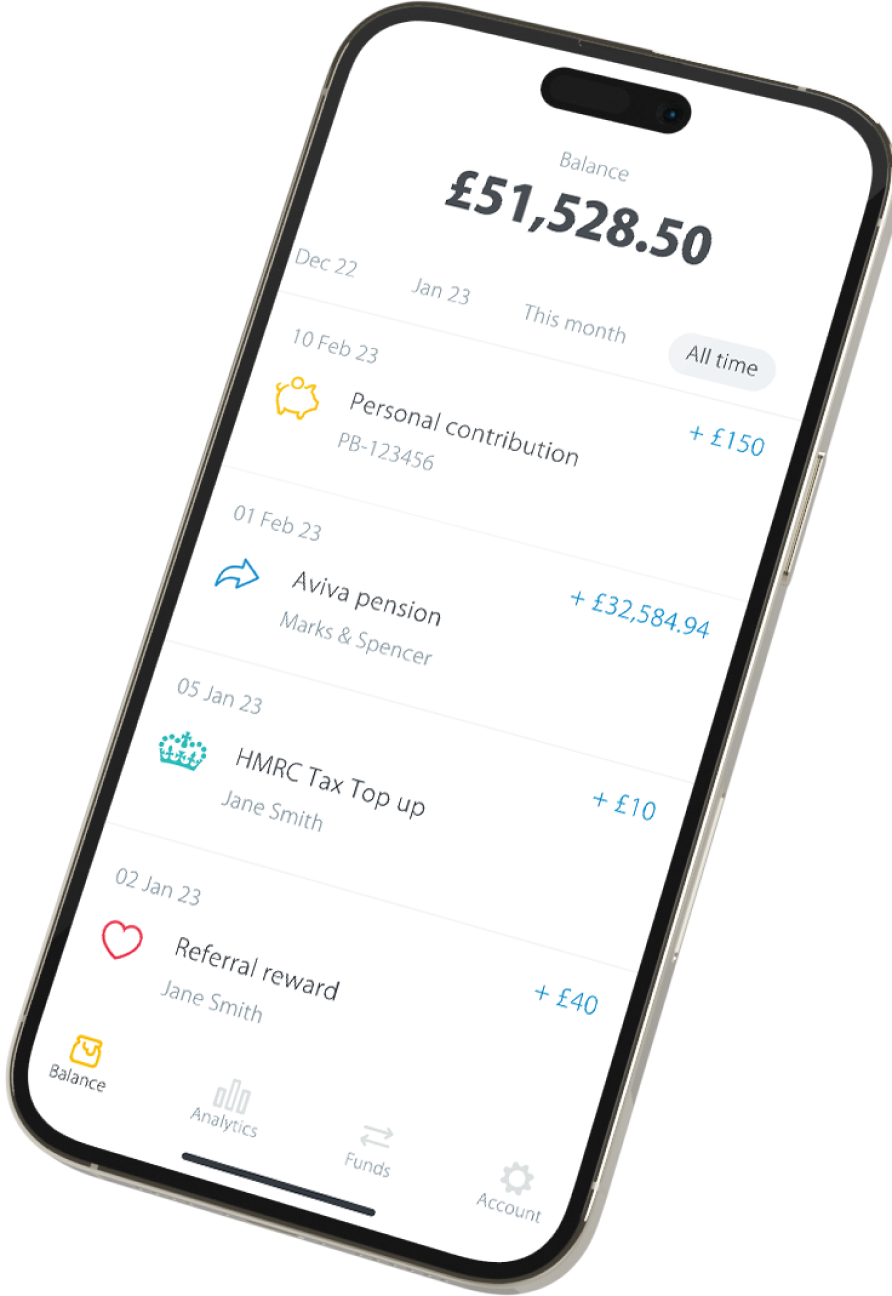
For example, Starling Bank has a feature called ‘Spaces’, which are essentially pots you can separate money into and label with individual names. The idea is to make the money visible, but not too easy to dip into on impulse.
4. Automate it
Automating your savings can make sinking funds much easier to stick to.
Setting up a standing order for payday means the money moves automatically before you have a chance to spend it elsewhere. Once it’s in place, saving becomes part of your routine rather than something you need to remember every month.
5. Budget for it
When you’re planning your monthly budget, it helps to treat your sinking fund contribution like any other bill.
If you’ve committed to saving £100 a month, that money isn’t available for everyday spending. This might mean making small adjustments elsewhere, but it can lead to fewer surprises and a greater sense of control later on.
Over time, this approach can make budgeting feel calmer and more predictable.
6. Check in regularly
Sinking funds aren’t meant to be set up and forgotten about forever.
It can help to review them once a month to see how things are going. If your income changes or priorities shift, you can adjust the amount you’re saving or the timeline. The goal is to keep your plan realistic and workable, even as life changes.
Managing multiple sinking funds
As you get more comfortable with sinking funds, you might find yourself running more than one at the same time.
To keep things manageable:
- start with the most urgent expenses, especially those with closer deadlines;
- avoid setting up too many funds at once, as that can feel overwhelming; and
- keep your system simple so it doesn’t start to feel like extra work.
How sinking funds fit alongside other savings
Sinking funds work best when they sit alongside other types of saving, rather than replacing them.
- Sinking funds - for planned, larger expenses like home repairs or leasehold management fees.
- Emergency funds - your safety net for unexpected events such as job loss, urgent car repairs, or a broken boiler.
- Pensions - for your long-term future and retirement. They’re designed to grow over time, often with tax relief and the benefit of compound interest. Unlike sinking or emergency funds, pension savings are usually locked away until at least age 55 (rising to 57 from 2028).
- ISAs and long-term investments - help you build wealth over time. With Stocks and Shares ISAs, for example, you can invest up to £20,000 per tax year (2025/26) free of Income Tax and capital gains tax (CGT). These accounts are often used for goals that are several years away, like a house deposit or future education costs.
Each type of saving plays a different role. When you have money set aside for the short term, the unexpected, and the long term, it can help you feel more prepared, resilient, and confident about your finances.
Why sinking funds are a good idea
Sinking funds are a simple way to bring more structure and confidence to your finances. By setting aside small amounts regularly, you can prepare for upcoming expenses without the pressure of finding large sums at short notice.
Many people find sinking funds effective because they:
- reduce stress when bills arrive;
- make budgeting feel more predictable;
- help avoid relying on credit and going into debt;
- encourage planning rather than reacting; and
- build positive saving habits over time.
Starting small often works best. Pick one expense, work out a monthly amount, and let the habit build from there.
Risk warning
As always with investments, your capital is at risk. The value of your investment can go down as well as up, and you may get back less than you invest. This information should not be regarded as financial advice.
Period | Market Event | FTSE World TR GBP (%) | 4Plus Plan (%) |
|---|---|---|---|
4Plus Plan’s inception – 6 Sept 2013 | QE Tapering, China Interbank Crisis and its aftermath | -5.44 | -2.41 |
3 Oct 2014 – 15 May 2015 | Oil price drop, Eurozone deflation fears & Greek election outcome | -5.87 | -1.77 |
7 Jan 2016 – 14 Mar 2016 | China’s currency policy turmoil, collapse in oil prices and weak US activity | -7.26 | -1.54 |
15 June 2016 – 30 June 2016 | BREXIT referendum | -2.05 | -1.07 |